20th Century
Our story begins in 1919, when Robert James Black and family purchased the manor of Midgham, for £75,500. Three years later he was made a Baronet. He died in 1925 and was succeeded by his son Robert Andrew Stransham Black, who took control of the estate in 1927.
In 1946 the estate (which was everything apart from the Coach and Horses public house, and the church) was auctioned in separate lots, and the Manor House was purchased by the Rt. Hon. George Herbert Hyde 6th Earl of Clarendon.

The 50’s and 60’s
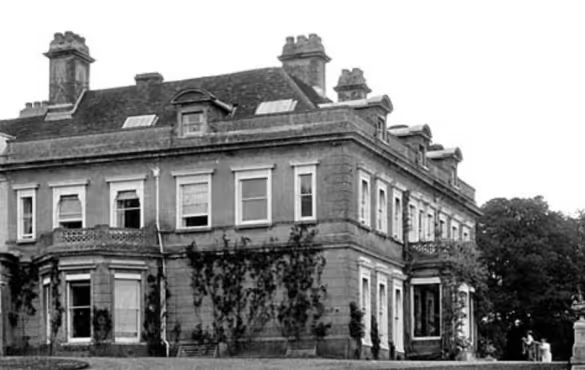
In 1955 Midgham House was sold again, divided into two lots, with Midgham House being purchased by Stephen Russell Lang, who assumed that it came with a manorial title, alas there was no title, and his wife Violet never liked the house, so they occupied only part of it, until his death in 1961.
Decline and Demolition
The house was then sold to a ‘Reading Properties Ltd.’ who let it run down and applied to convert it into flats, along with other houses on the grounds, but were thankfully denied by the council.Unfortunately, there was no preservation order on the house, and in 1968, after years of decay, it was pulled down and the architectural contents sold to buyers around the world.
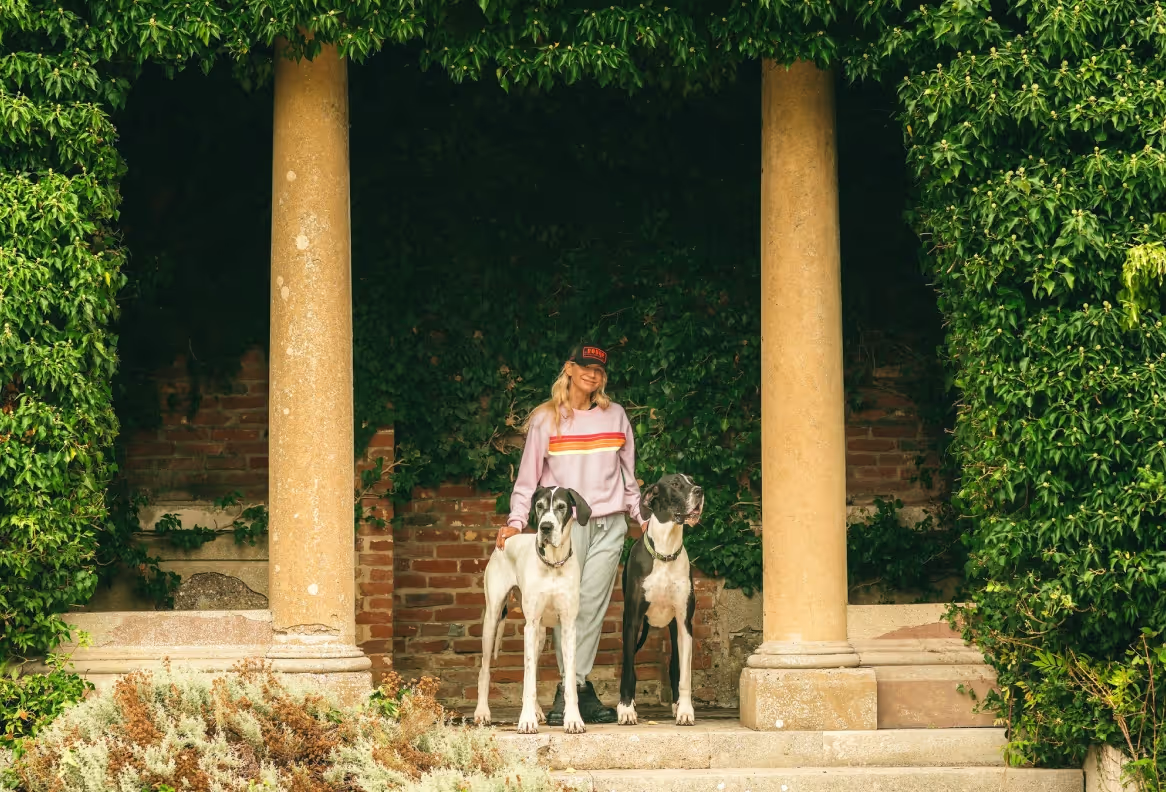
All that remains of the Palladian masterpiece is the front entrance portico
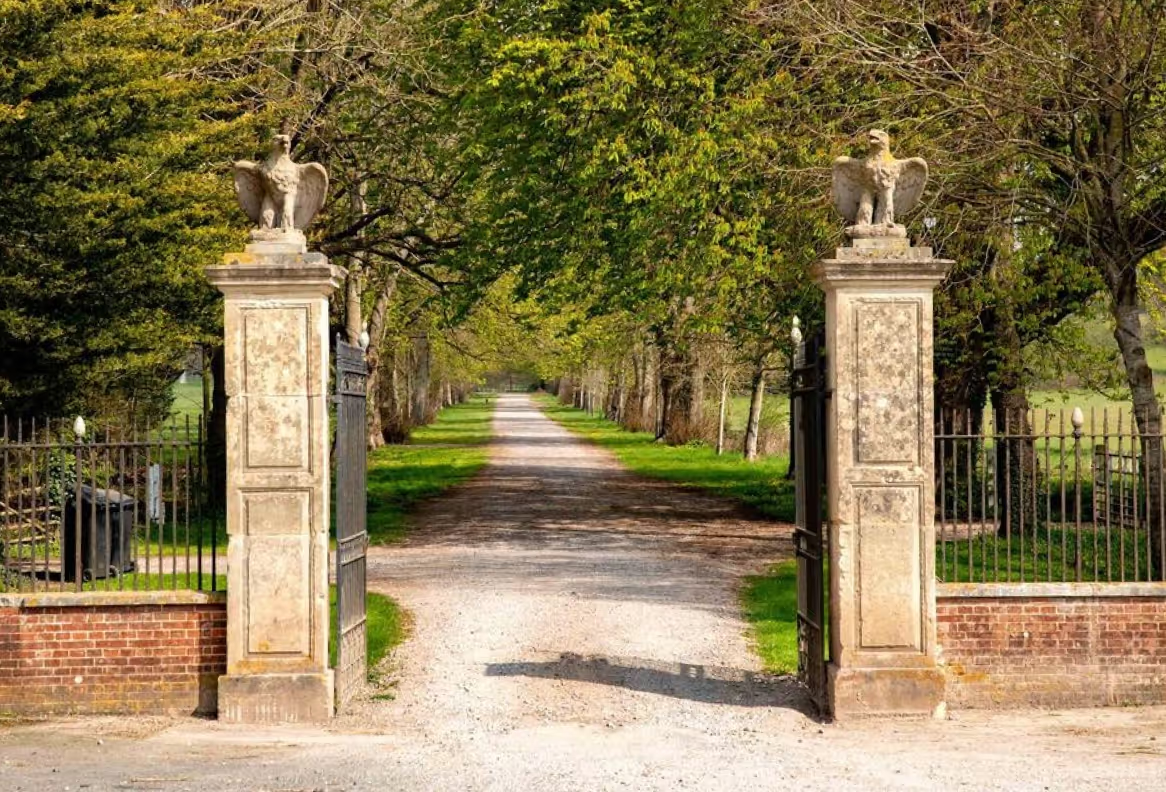
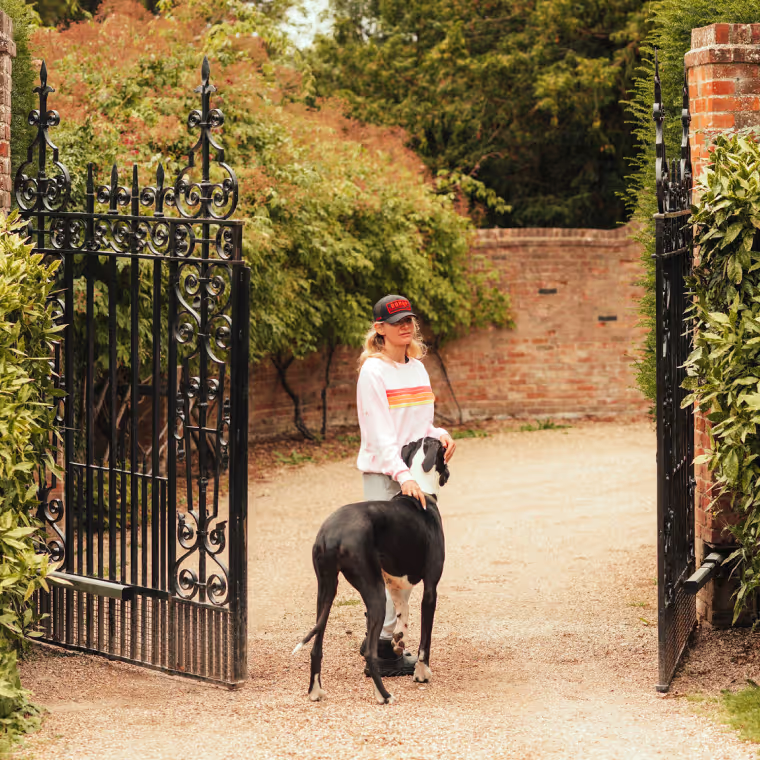
The entrance to the estate (minus the Aldermaston Eagle gates)
The New House
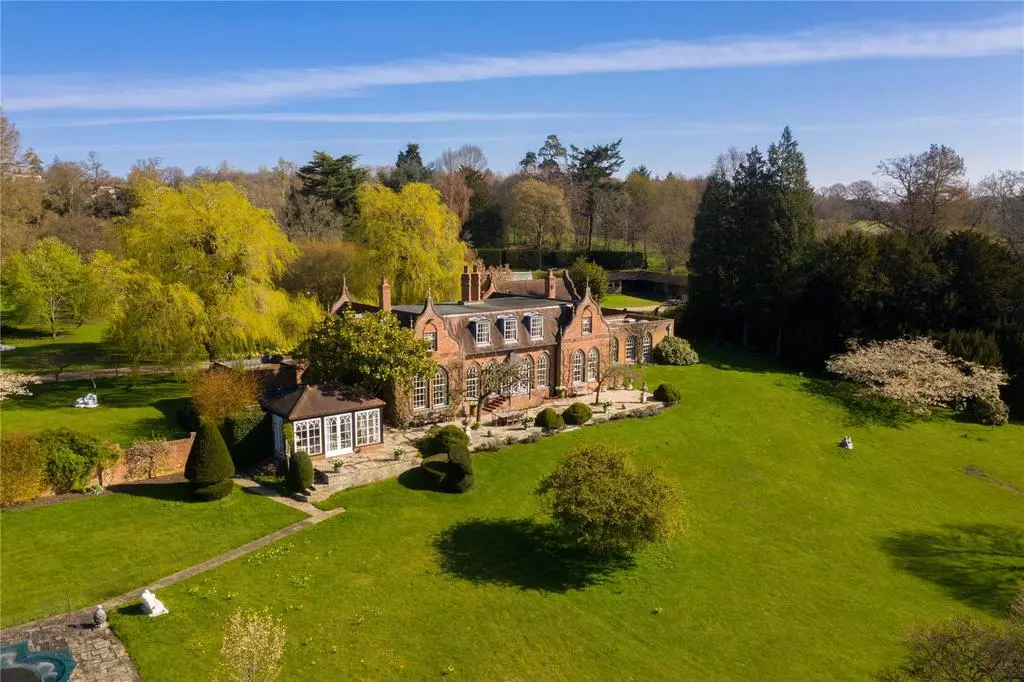
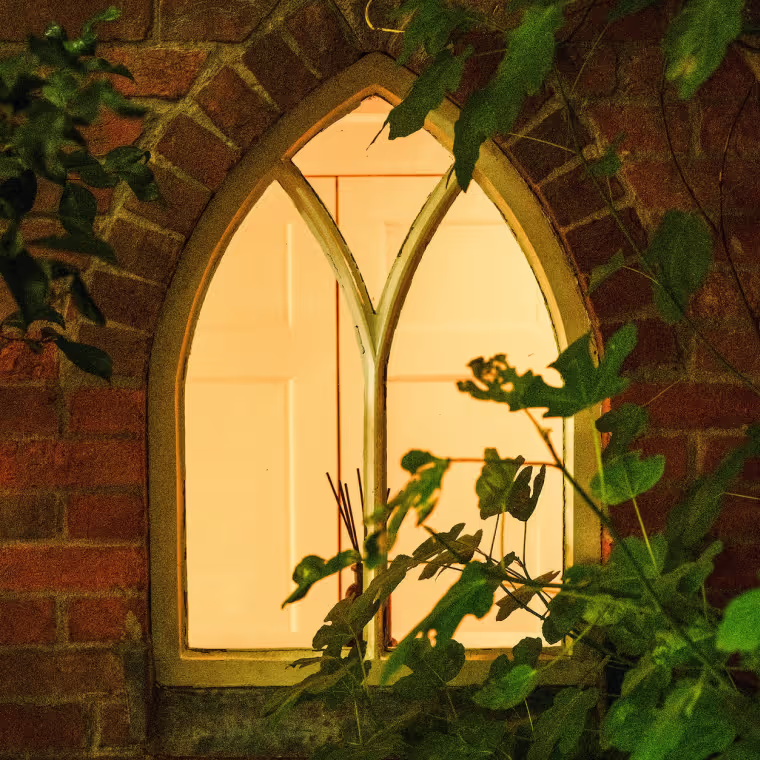
In 1973 a new late Victorian/Edwardian Arts and Crafts style house was built, with Queen Anne Revival windows.
David Milinaric, the famous interior designer beloved by the National Trust, was employed to take on the architectural detailing. In all the land amounts to over 80 acres in total, about 60 acres of pasture parkland.
Since 2021 the estate is under the ownership of Catherine Schmid, who has transformed the property into a beautiful home for family, friends and a wide range of pets, as well as a farm providing safety for many vulnerable animals.

.avif)